
The Impact of Social Media on Modern Relationships: Connection, Conflict, and Community
Somewhere between the first Facebook friend request and today's TikTok duet culture, something fundamental shifted in how we form, maintain, and sometimes lose relationships. Digital communication didn't just add a new channel — it rewired the expectations we bring to every human connection we make.
How Social Media Has Reshaped the Way We Connect
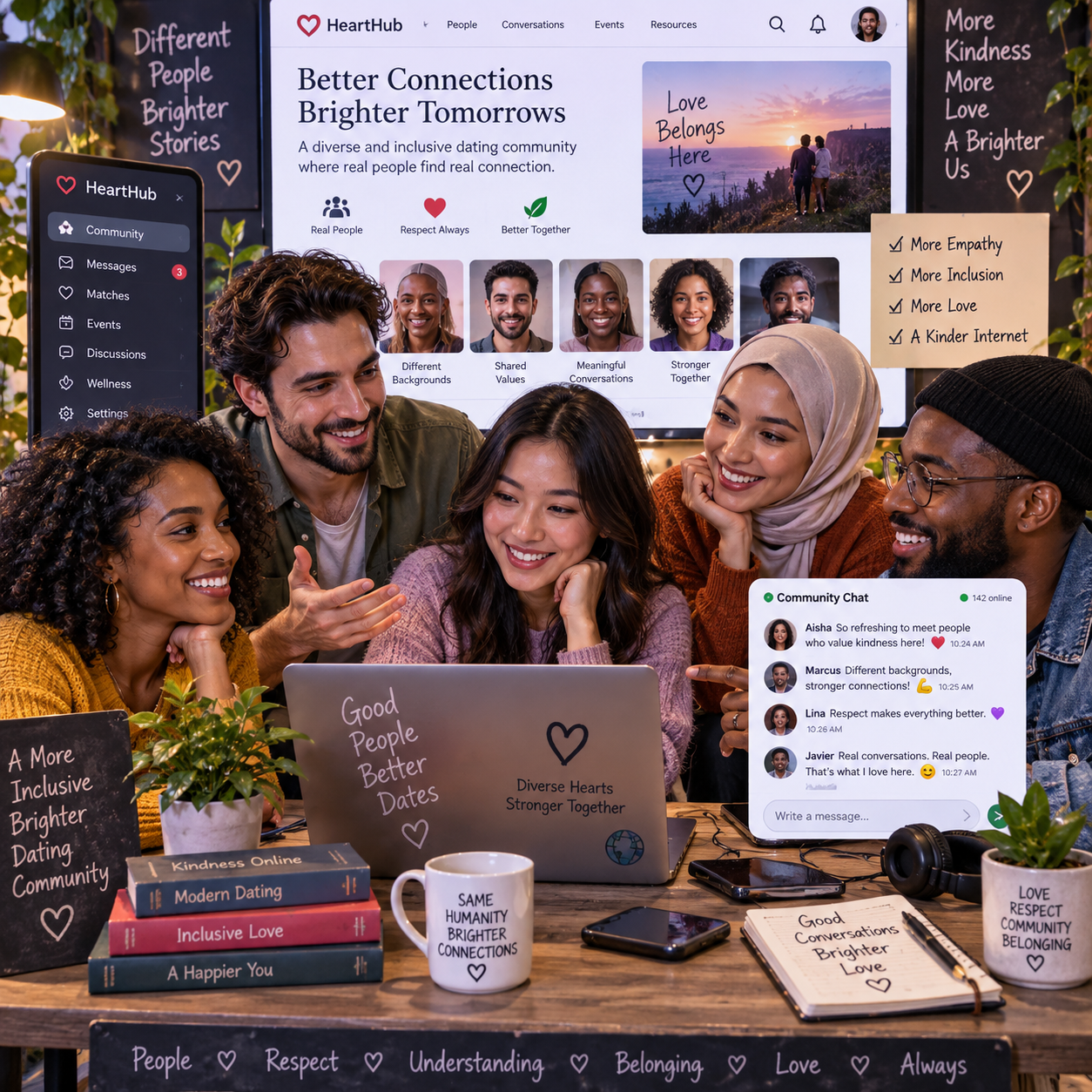
Social media platforms have fundamentally changed the mechanics of relationship-building, moving connection from geography-dependent to interest-driven and always-on. Where previous generations relied on proximity — school, neighborhood, workplace — to form bonds, platforms like Instagram and Facebook now let people find each other across continents based on shared values, humor, or grief.
This shift carries real weight. A teenager in rural Montana can find a community of people who share her passion for marine biology. A widower in his seventies can reconnect with childhood friends he'd assumed were gone forever. These aren't trivial outcomes.
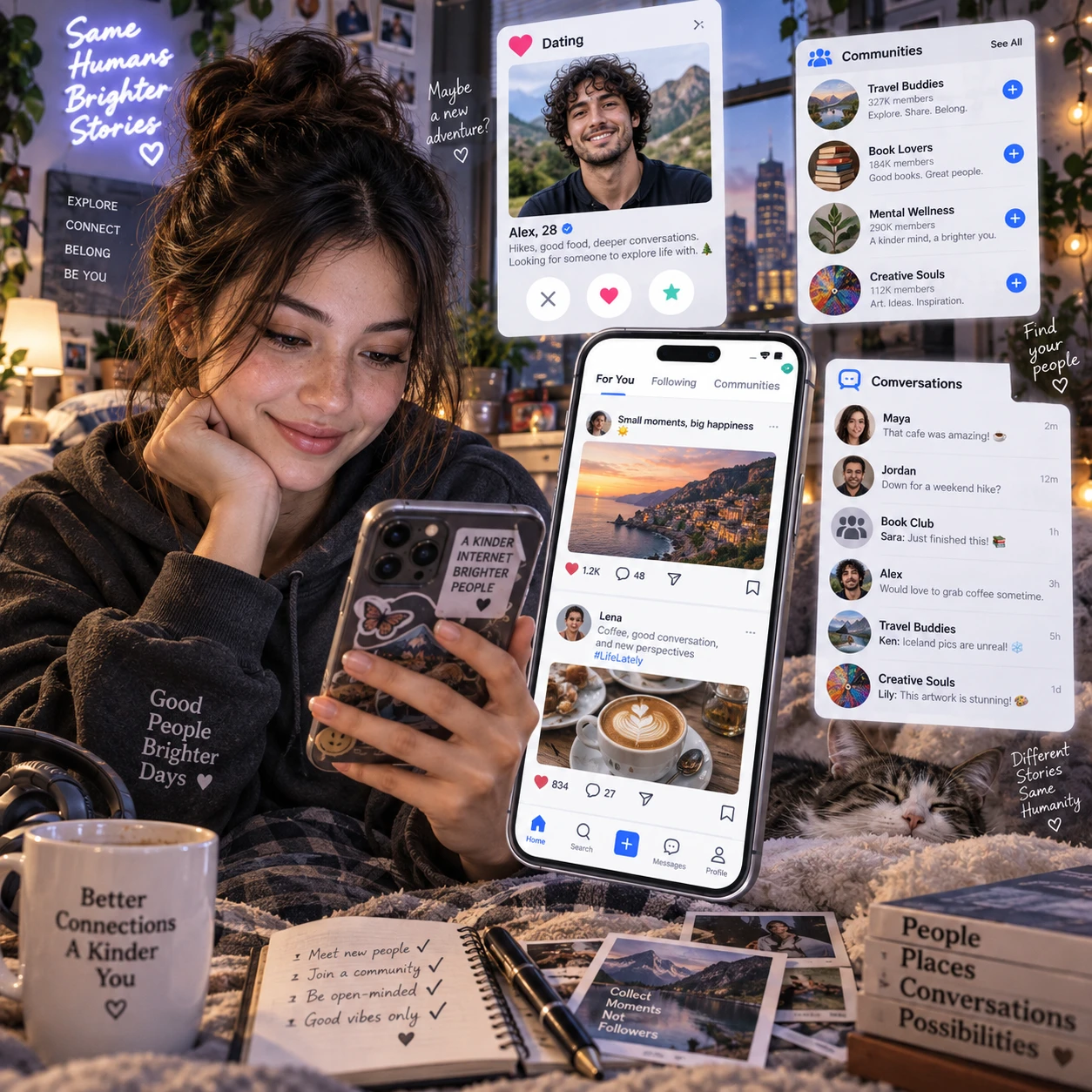
But the same infrastructure that enables discovery also creates noise. The average person now manages relationships across multiple platforms simultaneously — text threads, comment sections, story replies, DMs. Relationship maintenance has become a multi-platform performance, and not everyone finds that natural or sustainable.
The Positive Side — Strengthening Bonds and Building Community
Social media genuinely strengthens relationships when used with intention, particularly for long-distance connection and community-building around shared identity. This isn't a minor benefit worth dismissing.
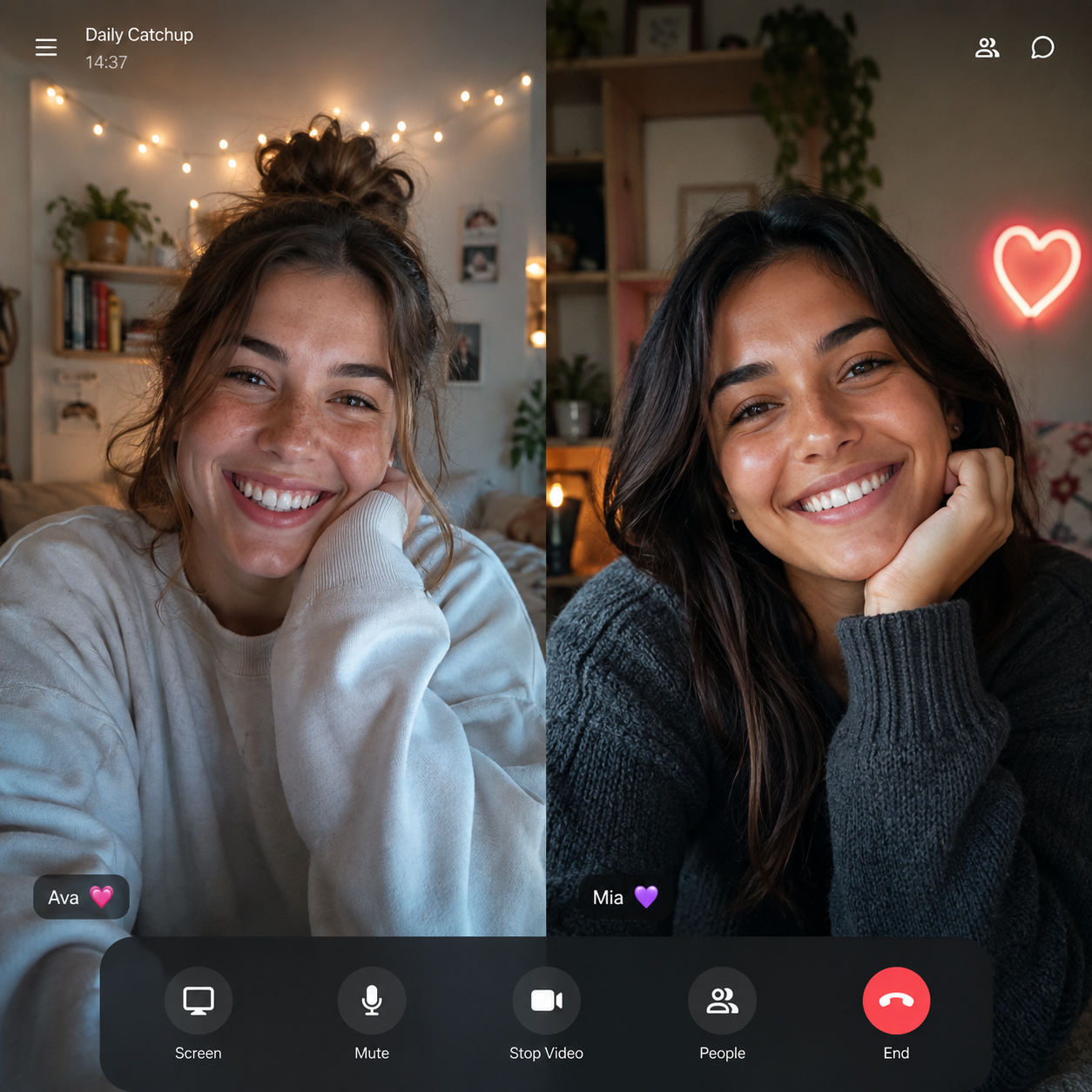
Long-distance romantic relationships, which historically carried a steep failure rate, now have tools that earlier generations couldn't imagine: video calls, shared playlists, simultaneous streaming, real-time photo sharing. Couples separated by work, military deployment, or immigration report that consistent digital contact helps preserve emotional intimacy in ways that letters and phone calls simply couldn't.
Online communities have also become genuine support networks. Parents of children with rare conditions find each other. Survivors of trauma locate people who understand without needing explanation. LGBTQ+ youth in unsupportive environments build the social scaffolding they can't access locally. These connections aren't lesser versions of "real" relationships — for many people, they're lifelines.
The key variable is whether social media supplements existing connection or substitutes for it. When it supplements, the research picture is largely positive. When it substitutes, complications tend to follow.
The Hidden Costs — Jealousy, Comparison, and Emotional Distance
The curated nature of social media feeds creates a persistent comparison culture that quietly erodes trust and satisfaction in real relationships. This is one of the most documented and least discussed costs of platform design.
Instagram and TikTok are built around social validation — likes, saves, shares, follower counts. When that logic bleeds into personal relationships, it creates distorted expectations. Partners compare their relationship to the highlight reels of others. Friends feel inadequate when their life doesn't look like what they're seeing. The gap between a curated feed and lived reality can generate jealousy that has no rational basis but feels completely real.
Performative sharing adds another layer. Couples who post constantly about their relationship aren't necessarily happier — some research suggests the opposite, that public performance can mask private disconnection. When the relationship exists partly as content, it becomes harder to address problems honestly without the audience in mind.
There's also the subtler issue of emotional distance through presence. Two people physically together but both scrolling are technically in the same room and functionally absent from each other. Screen time during shared moments — meals, conversations, evenings — consistently ranks as a top complaint in relationship surveys, yet it's rarely treated with the same seriousness as more dramatic conflicts.
Parasocial Relationships and the Blurring of Real vs. Online Connection
Parasocial relationships — one-sided emotional bonds formed with public figures, influencers, or online personas — have grown significantly as social media platforms have made creators feel accessible and intimate. These attachments aren't new (people have always felt connected to celebrities), but the scale and intensity have changed.
A creator who shares daily vlogs, responds to comments, and uses first-person language creates a sense of mutual relationship that doesn't actually exist. Followers feel they know this person. They feel loyalty, protectiveness, sometimes grief when the creator disappears. The emotional investment is real; the reciprocity is not.
The concern isn't that parasocial connections are inherently harmful — they can provide genuine comfort and inspiration. The problem emerges when they begin to set unrealistic standards for real-world relationships. If your primary emotional reference point is a carefully edited version of someone else's life and personality, the ordinary friction of actual intimacy can feel like failure.
For younger users especially, heavy parasocial engagement can crowd out the messier, slower work of building reciprocal friendships and romantic relationships. Connection that never requires vulnerability is easier — but it doesn't build the same capacity for real intimacy.
Social Media and Communication — Are We Talking More but Saying Less?
Digital messaging has increased the volume of communication while often reducing its depth. We send more messages, react to more content, and stay in more constant contact than any previous generation — and yet many people report feeling less understood by those closest to them.
Part of this is structural. Texting and DMs favor brevity. Reacting with an emoji is faster than articulating a feeling. Ghosting — simply stopping communication without explanation — has become a recognized social phenomenon precisely because digital platforms make disappearing easy and consequence-free in ways that face-to-face interaction never allowed.
These habits reshape expectations. When someone doesn't respond to a message within minutes, it can feel like rejection. When a partner doesn't like a post, it can feel like indifference. The platforms aren't designed to carry that emotional weight, but we've built them into our relationship infrastructure anyway.
Tone is also consistently misread in text-based communication. Sarcasm, nuance, and care are hard to convey without vocal inflection or facial expression. Arguments that begin over a misread text message are genuinely common — and genuinely avoidable with a phone call or conversation.
Setting Healthy Boundaries Around Social Media in Relationships
Healthy social media boundaries in relationships come from explicit conversation, not assumption. Most relationship conflicts around platforms happen because two people have entirely different unspoken expectations about what's acceptable — and neither has articulated them.
Practical boundary-setting doesn't require dramatic digital detoxes. It requires specificity:
- Define phone-free zones together — meals, the first hour after waking, time in bed. These don't need to be permanent rules; they can be experiments.
- Talk about what you share publicly — some people are comfortable being featured in a partner's posts; others aren't. Neither position is wrong, but assuming agreement causes real friction.
- Address comparison directly when it comes up — if a partner's social media use is triggering jealousy or insecurity, that conversation is worth having honestly rather than letting it simmer.
- Agree on response-time expectations — not as a control mechanism, but as a way to reduce anxiety on both sides.
- Check in periodically — what worked six months ago may not work now. Boundaries need maintenance, not just initial agreement.
For families, the same principles apply with additional complexity around children's screen time and what family life looks like when shared online. Parents who post extensively about their children are making decisions on behalf of people who can't yet consent — a dimension worth thinking through carefully.
The Future of Relationships in a Hyper-Connected World
The trajectory of social media and relationships points toward increasing complexity rather than simple resolution. Platforms will continue evolving — augmented reality, AI companions, increasingly immersive online communities — and each shift will create new questions about what connection means and what we owe each other within it.
The concept of digital wellness has moved from fringe concern to mainstream conversation, and that's a meaningful shift. More people are now asking not just "how much time am I spending online?" but "what kind of person am I becoming through these interactions?" That's a harder question, and a more important one.
Healthy community-building online looks like what healthy community-building offline has always looked like: reciprocity, accountability, genuine care, and the willingness to show up imperfectly. Platforms that reward authenticity over performance, and depth over volume, tend to produce communities that actually sustain people.
The relationships that survive and deepen in this environment will likely be the ones where both people have made a deliberate choice — not to use social media less, necessarily, but to use it with more awareness of what they're trading away and what they're gaining. That kind of intentionality has always been what separates connection from mere contact.
Frequently Asked Questions
Can social media actually improve long-distance relationships?
Yes, when used actively rather than passively. Video calls, shared digital experiences, and consistent messaging can maintain emotional intimacy across distance in ways that weren't previously possible. The key is using platforms to create shared moments, not just to monitor each other's activity.
How does social media use affect trust between partners?
Social media can strain trust when there's a lack of transparency about online interactions, or when one partner's behavior online (following certain accounts, messaging patterns, time spent) conflicts with the other's expectations. Open conversation about what each person is comfortable with tends to reduce conflict more effectively than surveillance or avoidance.
What are parasocial relationships and are they harmful?
Parasocial relationships are emotional bonds formed with public figures or online creators who don't know you exist. They're not inherently harmful — they can provide comfort, inspiration, and community. They become problematic when they replace reciprocal relationships or set unrealistic expectations for real-world intimacy.
How much social media use is considered unhealthy in a relationship?
There's no universal threshold, but the more useful question is whether social media use is interfering with presence, trust, or honest communication. If either partner feels consistently deprioritized in favor of a screen, or if comparison culture is generating ongoing insecurity, that's worth addressing regardless of the hours involved.
How can couples set social media boundaries without conflict?
Frame boundary conversations around shared goals rather than complaints. "I'd love to have dinner without phones a few nights a week" lands differently than "you're always on your phone." Starting from a place of what you want to build together, rather than what's wrong, tends to produce more productive conversations.