

Nurturing Long-Distance Friendships Through Technology: Practical Ways to Stay Connected
A long-distance friendship can remain warm, supportive, and meaningful even when friends live in different cities, countries, or time zones. Technology helps bridge the physical gap, but the strongest connections come from using digital tools with intention rather than expecting constant contact.
Messaging apps, video calls, social media, shared calendars, and online communities each serve a different purpose. The goal is to build a communication rhythm that feels natural for both people: reliable enough to maintain closeness, flexible enough to fit real life, and personal enough to support emotional connection.
Why Long-Distance Friendships Need Intentional Connection
Long-distance friendships stay strong when friends create regular, meaningful contact instead of relying on spontaneous interaction. Physical separation removes many small moments that normally sustain a friendship, such as casual coffee, shared errands, or an unplanned conversation after work.
Distance can also create uncertainty. One friend may interpret fewer messages as reduced interest, while the other may simply be managing a demanding schedule, family responsibilities, or a different communication style. Without everyday context, small misunderstandings can grow.
Intentional connection does not mean responding immediately or scheduling every conversation. It means making the friendship visible in your life. A short voice note, a planned video call, or a message about something that reminded you of your friend can carry more emotional weight than dozens of routine updates.
A useful approach is to think in three layers:
- Presence: occasional messages that show your friend is on your mind.
- Depth: conversations about feelings, decisions, challenges, and hopes.
- Shared memory: activities that give you experiences to discuss later.
Some friendships need frequent conversation; others remain secure with weekly or monthly contact. The right standard is mutual comfort, not an arbitrary reply schedule.
Choose the Right Technology for Your Friendship
The right technology depends on the kind of connection you want: quick contact, focused conversation, emotional nuance, or shared social energy. Using several tools can help, provided each one has a clear role.
Match the tool to the moment
- Messaging apps: Best for quick updates, jokes, links, photos, and low-pressure conversation throughout the day.
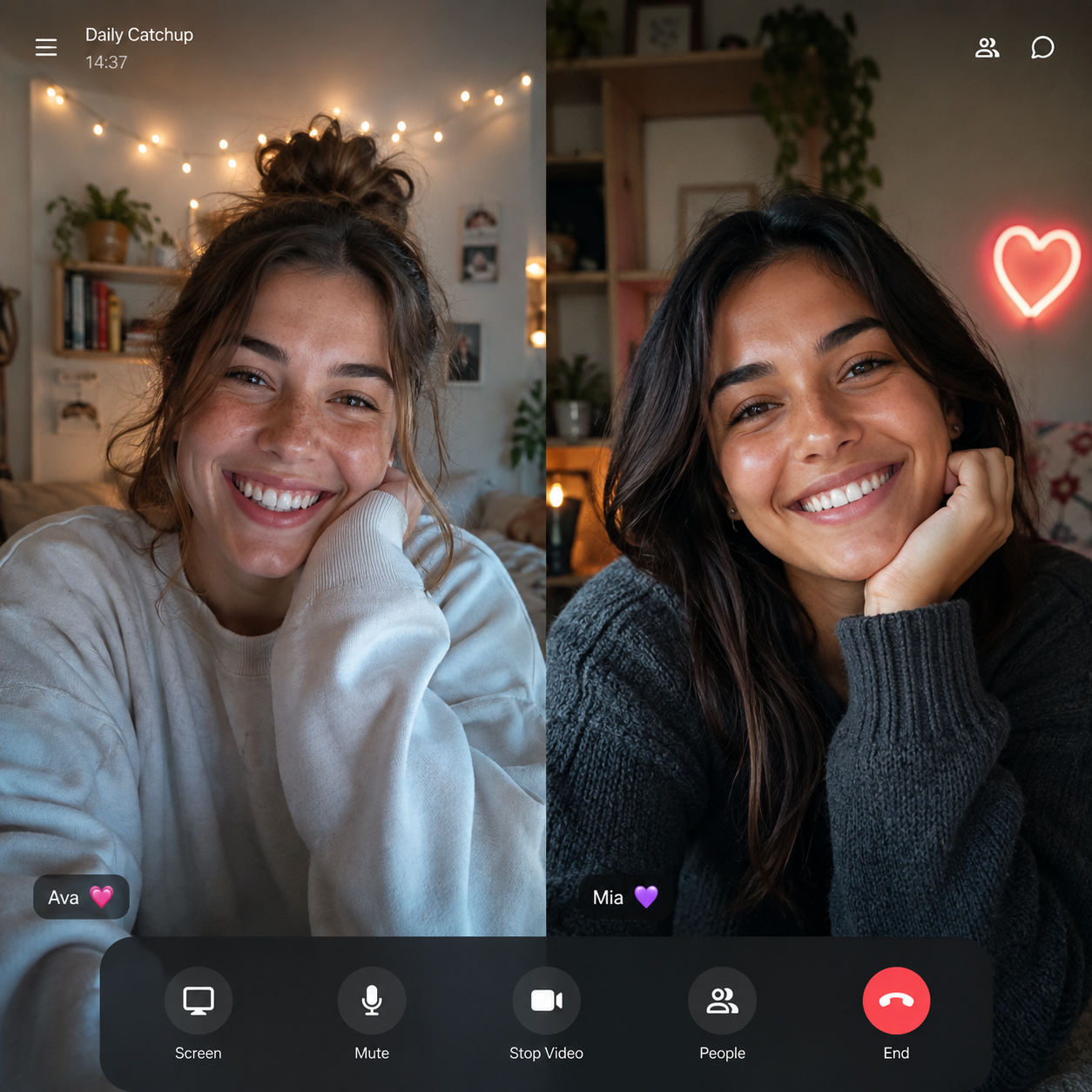
- Video calls: Useful for deeper conversations because facial expressions, tone, and shared attention add emotional context.
- Voice notes: A helpful middle ground when typing feels impersonal but a live call is inconvenient.
- Group chats: Ideal for maintaining a wider friendship circle, planning reunions, or sharing everyday moments with several people.
- Social media: Useful for lightweight awareness of each other’s interests and routines, though public interactions should not replace private conversation.
Video calls can feel more personal, but they require coordinated time, stable internet, and enough energy for face-to-face attention. Messaging offers flexibility, yet text can hide tone and make emotional subjects harder to discuss. Voice notes preserve personality while allowing asynchronous replies, but they may feel demanding if someone is busy or unable to listen privately.
Choose based on accessibility as well. Consider bandwidth, device comfort, hearing or vision needs, privacy, and digital confidence. A simple tool that both friends use consistently is more valuable than an impressive platform that creates friction.
For guidance on healthy digital boundaries and online well-being, the Cybersecurity and Infrastructure Security Agency’s online safety resources offer practical privacy considerations.
Create Simple Friendship Rituals That Last
Friendship rituals make long-distance connection dependable by turning good intentions into small, repeatable habits. A ritual can be a weekly call, a monthly digital dinner, or a short message every Friday afternoon.
The best rituals are specific and easy to maintain. Instead of saying, "We should talk more," agree on a realistic pattern such as a 30-minute call every second Sunday or a shared photo thread on the first day of each month.
Low-pressure rituals to try
- Schedule a recurring video call, with permission to reschedule when life becomes busy.
- Use a shared calendar for birthdays, exams, work milestones, holidays, and important appointments.
- Create a monthly question tradition, such as discussing a recent lesson, purchase, worry, or source of gratitude.
- Send celebration reminders so achievements receive attention even from far away.
- Keep a shared list of restaurants, films, books, travel ideas, or activities to explore during future visits.
Rituals should support closeness, not measure loyalty. If a scheduled call becomes stressful, shorten it, change the format, or pause it temporarily. A 10-minute voice note exchange may work better during a demanding season than a long call that both people repeatedly cancel.

Share Experiences, Not Just Updates
Shared digital experiences deepen long-distance friendships because they create new memories instead of limiting conversation to personal status reports. Doing something together gives the friendship movement, surprise, and common reference points.
Virtual activities for long-distance friends
- Watch a film, series episode, documentary, or live event together while chatting in a private call.
- Play cooperative video games, online board games, trivia, or casual puzzles.
- Cook the same recipe and compare results, substitutions, and kitchen disasters.
- Take an online class or workshop, then discuss what you learned.
- Build a shared playlist and add songs that match your current mood or recent memories.
- Plan a virtual walk by calling from outside and showing each other local streets, parks, or neighborhoods.
- Read the same short story, article, or book chapter and exchange reactions.
Shared activities work best when they are accessible and lightly structured. A competitive game may energize one friendship and frustrate another. Likewise, watching a show together can encourage conversation, but it may become passive if neither person engages. Add a simple prompt: What surprised you? Which character would you trust? What did this remind you of?
Try alternating who chooses the activity. This keeps planning from falling to one person and reveals each friend’s interests over time. The experience matters more than technical perfection. A dropped connection or mismatched cooking result can become part of the story.
Navigate Time Zones, Busy Schedules, and Communication Differences
Time-zone coordination works best when friends agree on a flexible availability system rather than guessing when the other person is free. Clear expectations reduce missed calls, delayed replies, and unnecessary hurt feelings.
Start by identifying overlapping windows. A shared calendar can display both time zones, while a simple message can establish practical boundaries: "I usually answer during my evening, but I may be offline during workdays." Include sleep, work, caregiving, study, and religious or cultural commitments when planning.
A practical three-part coordination method
- Set a baseline: Decide how often you hope to connect, such as once a week, twice a month, or whenever schedules allow.
- Define response expectations: Explain whether delayed replies are normal and which topics deserve a faster response.
- Create a backup: If a call is missed, agree on an alternative such as a voice note, new date, or brief check-in.
Communication preferences matter just as much as time zones. One friend may enjoy frequent messages; another may prefer longer conversations with fewer interruptions. Some people process difficult subjects better in writing, while others need vocal tone and immediate reassurance.
Common mistakes include treating silence as rejection, sending repeated follow-ups when a friend has said they are overwhelmed, or making every conversation a serious relationship check-in. Ask directly and kindly: "What kind of contact feels supportive for you right now?" This question creates room for honesty without turning friendship into a performance review.
Use Online Communities to Expand and Support Your Social Circle
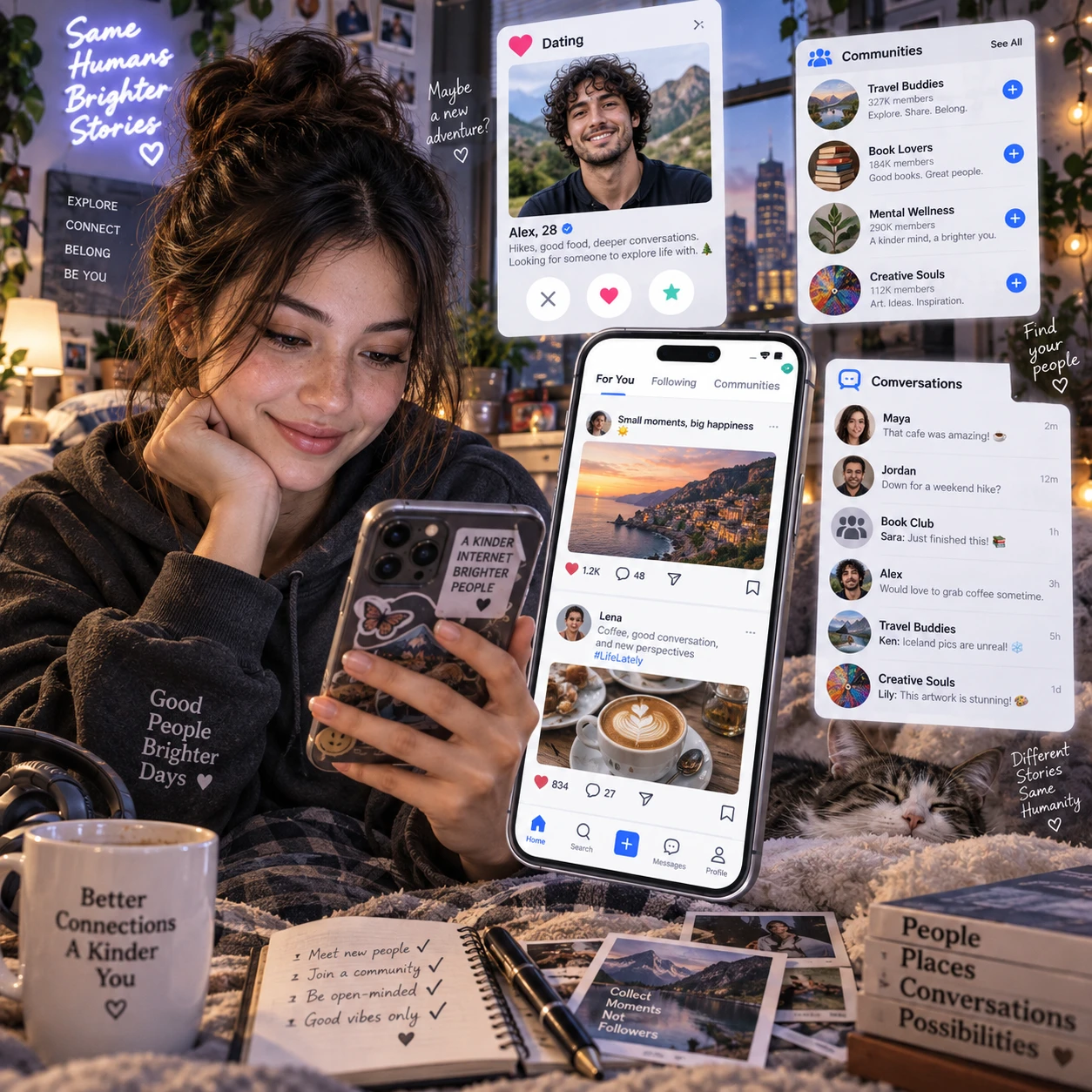
Online communities help long-distance friends maintain broader social networks by connecting people around shared interests, identities, hobbies, and life experiences. They can complement existing friendships and reduce the pressure for one distant friend to meet every social need.
Interest-based groups, gaming communities, language exchanges, professional networks, and local-to-global discussion spaces can create recurring opportunities for interaction. Participating together in an online community may also give distant friends a shared social setting, similar to joining the same club in person.
Dating and social platforms can play a related role when they support authentic interaction beyond romantic matching. Some people use these spaces to meet new friends, find activity partners, or connect with communities after relocating. Be clear about your intentions, respect other users’ boundaries, and avoid assuming that every connection should become intimate quickly.
Look for communities with active moderation, clear rules, and a culture that rewards respectful conversation. Start with public or group interaction before sharing personal contact details. Over time, a community can become a source of practical advice, emotional support, and companionship, while your closest friendships continue to receive individual attention.
Keep Digital Friendships Personal, Balanced, and Secure
Digital friendships remain healthy when technology supports active listening, emotional presence, privacy, and balance rather than replacing every form of connection. A screen can carry warmth, but it cannot remove every limitation created by physical distance.
Practice active listening during calls and messages. Put away distractions when a friend shares something important, ask follow-up questions, and remember details they mentioned previously. Emotional support often begins with a simple response such as, "That sounds exhausting. Do you want advice, or would you rather I listen?"
Set privacy boundaries around screenshots, photos, location sharing, and sensitive conversations. Use strong passwords, review account permissions, and be cautious when moving from an online community to private messaging. Trust should develop through consistent behavior, not pressure to disclose personal information.
Balance digital contact with other forms of care. Send a handwritten card, arrange an in-person visit when possible, mail a small birthday gift, or plan a future trip together. These options may cost more time or money, so they should remain invitations rather than obligations.
Watch for warning signs: one-sided effort, guilt over delayed replies, repeated boundary violations, or conversations that leave you consistently drained. Technology can make contact easier, but it can also make over-availability seem normal. A healthy friendship leaves room for work, rest, family, local relationships, and solitude.
Frequently Asked Questions About Long-Distance Friendships
How often should long-distance friends communicate?
Long-distance friends should communicate as often as feels supportive and sustainable for both people. For some friendships, that means brief messages several times a week; for others, it may mean one meaningful call each month plus occasional updates. Agree on a baseline, then adjust it as circumstances change.
What are fun virtual activities for long-distance friends?
Fun virtual activities include watching shows together, playing online games, cooking the same meal, taking an online class, sharing playlists, doing trivia, reading together, or taking a virtual walk. Choose activities that match both friends’ energy, access, and interests.
How can friends manage different time zones?
Friends can manage different time zones by using a shared calendar, identifying overlapping availability, and agreeing on flexible backup options. Always confirm the local time before scheduling, especially around daylight-saving changes.
Can technology replace in-person friendship?
Technology can maintain closeness across distance, but it cannot fully replace in-person friendship for everyone. Digital contact works best as a bridge and complement to visits, local social connections, and shared physical experiences when those are possible.
How can online friendships remain safe and authentic?
Online friendships remain safer and more authentic when people communicate honestly, respect privacy boundaries, use moderated communities, verify trust gradually, and avoid pressure to share money, intimate information, or constant access. Consistency over time matters more than fast emotional intensity.
A lasting long-distance friendship grows through small choices: sending the message, protecting the call, sharing an experience, and making space for honest conversations. Use technology as a set of bridges rather than a scoreboard. When communication fits both people’s real lives, physical distance becomes a challenge to manage rather than a reason to lose connection.