
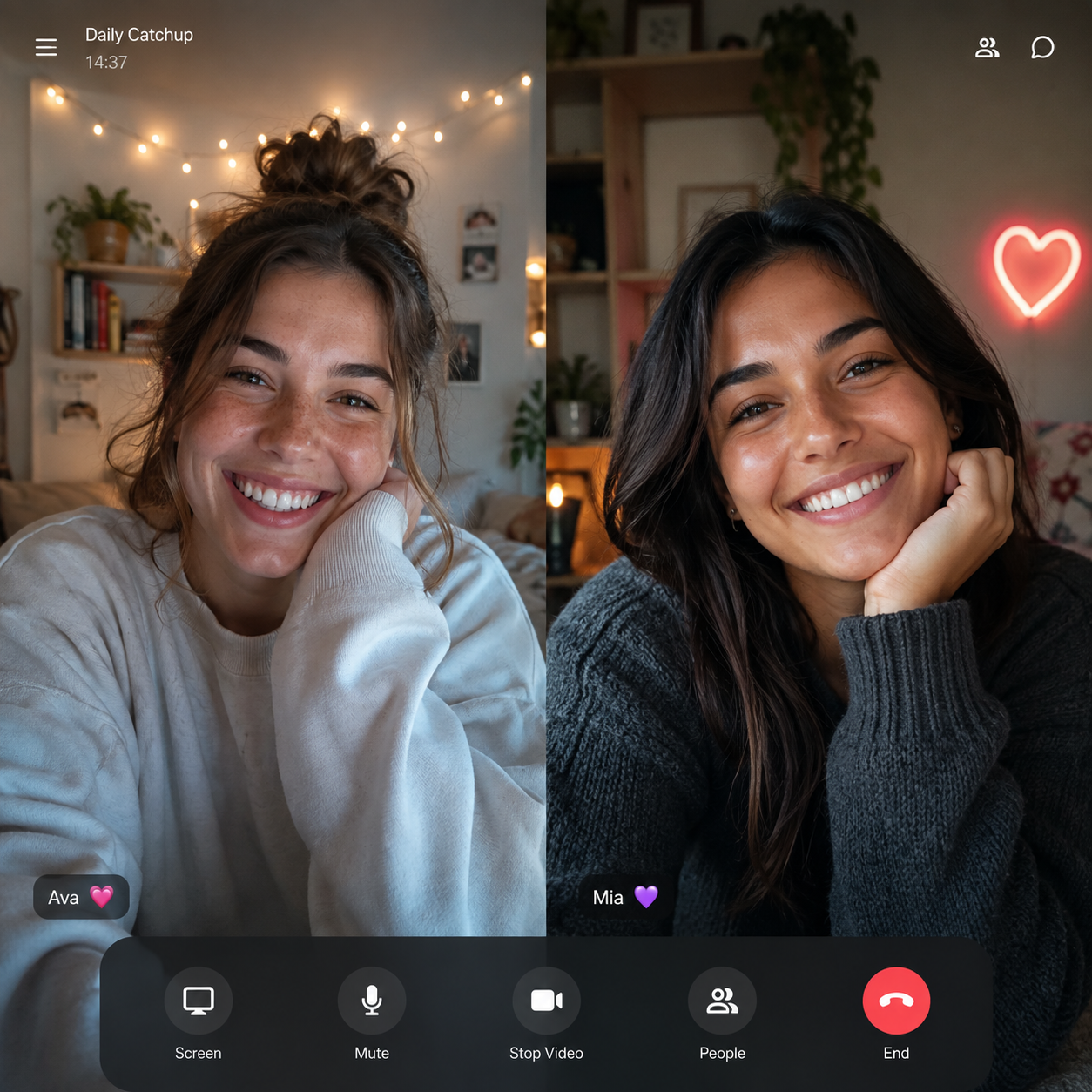


Balancing Online and Offline Social Interactions for Better Connections

Online dating, social media, and community platforms can make it easier to meet people who share your interests. In-person conversations bring different strengths: shared experiences, body language, and time together without a screen between you. A healthy social life can include both. The aim is to use digital communication to open doors while making room for the relationships and activities that help you feel connected.
Why Both Online and Offline Connections Matter
Online and offline connections matter because they serve different needs: digital spaces help people find and maintain contact, while in-person interactions can build closeness through shared time and experience. Combining them gives dating and community-building more ways to grow.
Online dating can introduce you to people beyond your usual circles, including those who share a niche hobby or a particular outlook. Social media and local community groups can also help you find events, reconnect with acquaintances, and keep in touch between gatherings. These spaces can be especially useful if you have a busy schedule, live far from family, or are new to an area.
Offline time adds context. A face-to-face conversation lets you notice tone, pauses, humor, and the way someone responds to the world around them. Going to a class, volunteering, or attending a community event also creates a shared experience, which can make it easier to build rapport without relying on constant messaging.
Neither setting guarantees a meaningful connection. A long online conversation may remain casual, and a pleasant first meetup may not lead to a close friendship or relationship. Think of online contact as one route into social life and in-person time as another. Social well-being comes from connection that feels supportive and sustainable, whether it happens through a message, a weekly club, or both.
The Benefits and Limits of Online Socializing
Online socializing offers convenient ways to meet, communicate, and find communities, but it can also divide attention or make interaction feel less substantial. Its value depends on how you use it and whether it supports the relationships you want.
Digital spaces lower some barriers. You can start a conversation when schedules do not line up, join a group organized around a specific interest, or explore online dating at a pace that suits you. Messaging can also help people who feel shy at first gather their thoughts before a conversation.
The limits tend to appear when availability turns into an expectation. Frequent notifications can interrupt work, rest, and time with other people. A stream of brief exchanges may create the sense of being socially busy without offering much attention or support. On dating apps, matching can be easy to measure, while compatibility and trust take longer to understand.
Try a simple check after using an app or social platform: Do I feel more connected, informed, or ready to act, or mainly more distracted? If you found a group event or had a thoughtful conversation, the time may have served you. If you opened an app automatically and left feeling drained, adjust how or when you use it. You do not need to delete your accounts to make online socializing work better; small changes in purpose and timing can help.
Make Online Connections More Meaningful
To make online connections more meaningful, communicate with curiosity, share specific details, and look for mutual interests rather than trying to keep every conversation going. Intentional exchanges give both people a clearer sense of whether they want to connect further.
Instead of relying only on generic questions, respond to something the other person has actually said. If they mention a favorite walking route, ask what they enjoy about it. Offer a detail of your own, such as a park you like or a community event you have attended. This creates a back-and-forth rather than an interview.
It also helps to be clear about what you are looking for. On a dating app, you might say that you are interested in meeting someone for a relationship, while staying open to seeing how conversation develops. In a neighborhood group, mention that you are new to the area and hoping to find a regular board-game night. Clear intentions are useful; pressure for an immediate outcome is not.
- Choose a shared point of interest: Talk about a book, activity, local place, or cause that both of you care about.
- Ask one open question at a time: Give the other person room to answer rather than sending a string of prompts.
- Share at a comfortable pace: Be genuine without feeling obliged to disclose private details early.
- Notice reciprocity: Healthy digital communication leaves room for both people to initiate, respond, and set their own pace.
Good messaging can create familiarity, but it cannot reveal everything about another person. Use it to establish enough comfort and interest for a next step, not as a substitute for every kind of interaction.
Move from Digital Conversation to In-Person Connection
Suggest an in-person meetup when the conversation feels mutually engaged and you would like to see how you connect in person. Keep the invitation specific, public, and easy to decline or reschedule.
A low-pressure invitation might be: “I’ve enjoyed talking about local food spots. Would you like to get coffee at the weekend market on Saturday?” Naming an activity and a general time makes it easier to respond than a vague “We should hang out sometime.” For community connections, you can invite someone to an event you are already attending, such as a running group or a public lecture.
There is no universal number of messages to exchange before meeting. Some people prefer a short conversation first; others want more time to build comfort. Pay attention to your own preferences and the other person’s. If either person is uncertain, continue chatting or suggest a brief video call. An invitation should make room for a no, without argument or repeated pressure.
For a first date or meetup with someone you have only spoken with online, choose a public place, arrange your own transportation, and tell a trusted person where you are going. Keep your phone accessible, and leave if you feel uncomfortable. These are sensible precautions, not a prediction that something will go wrong. A first meeting can be short: a coffee, walk in a busy public area, or visit to a daytime event gives you a natural chance to decide whether you want to meet again.
Set Boundaries That Protect Your Time and Energy
Screen-time boundaries protect your attention by making online socializing more deliberate. Choose habits that fit your schedule and energy rather than following a rigid daily limit.
You could check dating apps during a short window after work, silence non-urgent social notifications during dinner, or keep your phone out of reach during a community activity. These boundaries do not need to be permanent. A busy week may call for less messaging; a quieter weekend may leave more room for it.
Make your availability clear when it matters. For example, tell a new match that you do not always reply during work hours, or let a friend know you prefer calls to late-night messages. People who respect reasonable boundaries are easier to build trust with. At the same time, avoid treating every delayed reply as a rejection; people have different routines and communication styles.
A useful approach is to set boundaries around time, attention, and access:
- Time: Decide when you want to check messages, without requiring yourself to answer immediately.
- Attention: Put your phone away during conversations or activities you want to experience fully.
- Access: Share personal information and contact details at a pace that feels safe to you.
If online interaction consistently leaves you anxious or depleted, reduce the frictionless habits first: remove unnecessary alerts, take breaks, or pause a platform that is not serving you. You can return when it feels useful again.
Build a Social Routine That Fits Your Life
A sustainable social routine combines online spaces with recurring offline activities in a way that fits your interests, schedule, and comfort. Regular, manageable opportunities to connect usually work better than treating every interaction as a high-stakes event.
Start with one offline activity you would enjoy even if you did not meet anyone new. It could be a weekly dance class, a volunteer shift, a book group, or a neighborhood walk. When you enjoy the activity itself, showing up feels worthwhile, and repeated attendance gives familiarity time to develop.
Then use digital tools to support that routine. Follow the group’s event page, message a friend about attending together, or use an online community to find a local version of an interest. If you are dating, you might set aside a couple of short sessions a week to use an app, then suggest a meetup when a conversation feels promising. Treat that as a flexible starting point, not a rule or a guarantee of a date.
Review your routine every few weeks. Are you making time for people who leave you feeling respected and at ease? Are you spending more time scrolling than connecting? Adjust one part at a time, such as trying a different event or reducing notifications. A good balance is personal and changeable; it should support your life rather than become another scorecard to maintain.
Frequently Asked Questions
How much time should I spend socializing online?
There is no single right amount. Notice whether online socializing fits around sleep, responsibilities, and in-person relationships, and whether it leaves you feeling connected or worn out. Adjust your habits based on those effects instead of chasing a universal screen-time target.
When should I suggest meeting someone in person?
Suggest a meetup when you feel interested and the conversation appears mutual. You can do so after a few exchanges or take more time if that feels right. Make the invitation specific and low-pressure, and choose a public setting for a first meeting.
How can I make online conversations feel more genuine?
Respond to details the other person shares, ask thoughtful questions, and contribute something about your own interests. Avoid trying to perform a perfect version of yourself or forcing constant replies; genuine conversation leaves room for both people to be natural.
What if I feel more comfortable socializing online?
That is a valid starting point. Online connection can be meaningful, and you do not have to rush into face-to-face interaction. If you want to try meeting people offline, choose a familiar public activity and attend with someone you trust, or stay online while you build confidence at your own pace.